Environmental Transparency
We take pride in the services we provide with sustainability at the forefront of our operations. We are extremely pleased that our efforts have been recognised by esteemed organisations such as the Furniture Industry Sustainability Programme (FISP), ISO 14001 certification, and EcoVadis, global independent provider of business sustainability ratings. We are thrilled to have been awarded a Silver Medal by EcoVadis for our sustainability practices.
We are committed to monitoring and where possible reducing greenhouse gas (GHG) emissions. We diligently measure our GHG emissions annually and are currently working on preparing our 2024 report.
We strongly believe that sustainability is a shared responsibility, and we are fully committed to advancing our sustainability initiatives. Our dedication extends not only to the way we conduct our business but also to the products we offer.
BREEAM, LEED & WELL
At TASK, we are dedicated to selecting materials for our products that prioritise sustainability and incorporate recycled elements whenever possible. Our products are carefully manufactured to comply with the CE REACH regulation, ensuring that they do not contain dangerous chemical substances.
To provide our clients with comprehensive information on the environmental impact of our products, we are actively developing a selection of Environmental Product Declaration (EPD) and Life Cycle Assessment (LCA) documents. These documents provide detailed insights into the environmental performance of our most popular products. By having these documents available, our furniture can comply with the relevant criteria when projects are being considered for sustainability certificates such as WELL, LEED, or BREEAM.
Sustainable Design
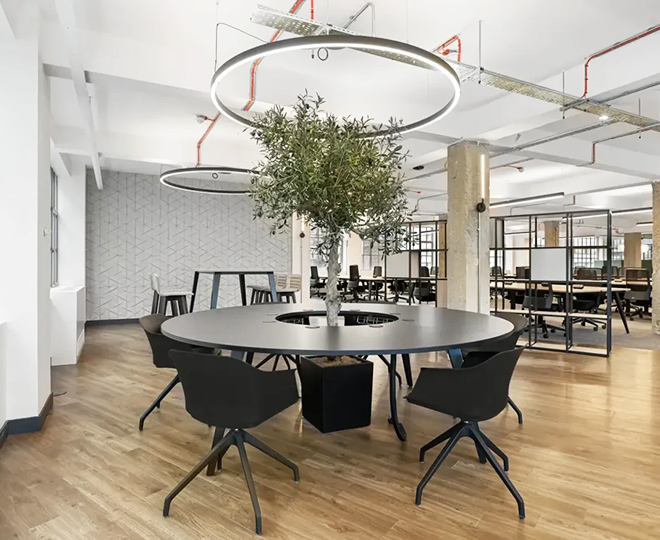
The most sustainable thing we can do is to maximise the lifespan of the products we manufacture. We therefore design every component and sub-assembly with service in mind, ensuring that all components can be easily repaired or replaced.
We support the re-tasking or recycling of surplus furniture that a client might looking to dispose of. We've partnered with CAMA to offer our clients an end of life plan through their sustainability services. CAMA will select the most appropriate recycling method for each item or, if the surplus items are still in good condition, CAMA can manage the process of finding them a new home.
Transparent Supply Chain
At TASK, we believe in open and responsible management. Therefore, we carefully choose partner companies that share our philosophy and values. We actively avoid engaging with businesses located in regions with a poor reputation regarding social and sustainability issues. This decision aligns with our commitment to ethical and sustainable practices throughout our supply chain.
We take immense pride in maintaining a transparent supply chain, and we can assure our clients that all components of our products are manufactured and sourced from reputable suppliers based in the UK, Italy, and Germany.
PACKAGING & WASTE
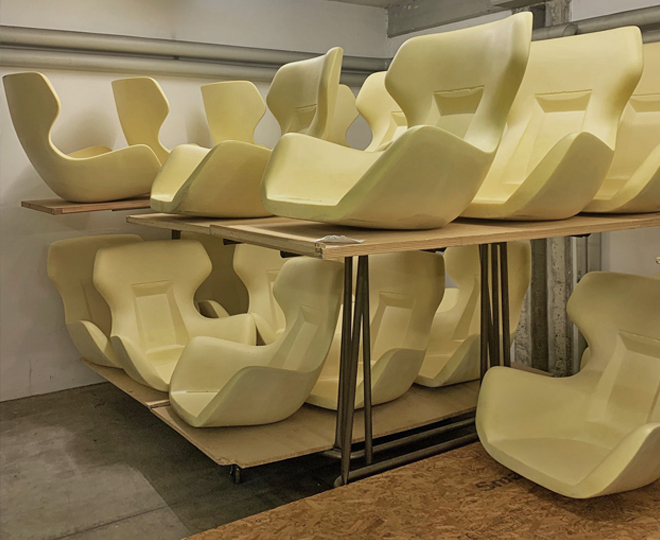
We are taking steps in our commitment to reducing our packaging waste significantly and moving us one step further in our net-zero journey. We are looking closely at our use of packaging and reverse logistics systems, and in particular the return, re-use and recycling of our packaging.
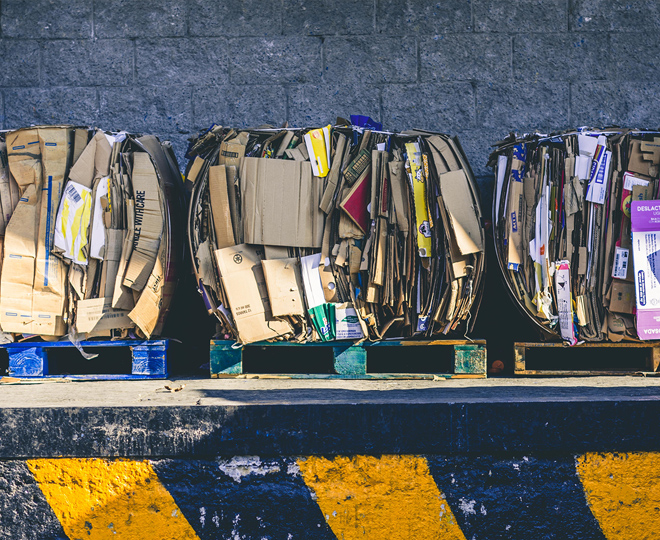
Furniture are delivered using bulk packaging methodology to reduce the amount of packaging material and reduce transport and packaging emissions. Recyclable cardboard is our packaging of choice. We ensure cardboard used is from sustainable sources and we are committed to minimise the use of plastic materials within our packaging as much as possible.
As part of our carbon footprint reduction commitment we work with UK’s leading recycling and waste management company. Veolia turns waste into a resource through reuse, recycling and energy recovery using a network of material recovery facilities (MRFs), hazardous waste facilities and energy recovery facilities (ERFs). Energy recovery facilities use leading technology to transform waste into electricity for the National Grid and convert landfill gas to energy.
Product End of Life
Once a product reaches its end of life, we have designed our products to be easily disassembled into their constituent parts. These parts can then be sent to appropriate recycling programs, provided the necessary facilities are available.
For example, a height adjustable workstation can be disassembled into several main categories of component parts:
> Wood-based panels: These panels can be separated and sent for recycling, ensuring that the wood is repurposed or reused in an environmentally friendly manner.
> Steel component parts and fittings: The steel parts and fittings are recyclable materials. They can be collected and processed through recycling programs, allowing for the recovery and reuse of the steel.
> Plastic parts: The plastic components can also be recycled. Proper recycling facilities can handle the plastic parts, ensuring they are processed appropriately for reuse in other products or applications.
> Electrical components: The electrical components, such as wires, switches, or control mechanisms, require specialised recycling. These components should be sent to dedicated recycling facilities that can handle the safe and responsible disposal or recycling of electronic waste.